Transform Your Home: Crucial Insights On Residential Improvement Projects for All Property Owners
Property owners frequently look for methods to enhance their living spaces through remodeling services. These projects can range starting with kitchen improvements to comprehensive home makeovers. Understanding the options available is necessary to making informed decisions. Moreover, one must consider tangible aspects like budgeting and choosing the right builder. When property owners embark on this process, they may run into unforeseen difficulties. The secret to a great renovation lies in thorough design and execution. Which actions should follow?
Understanding the Different Types of House Improvement Projects
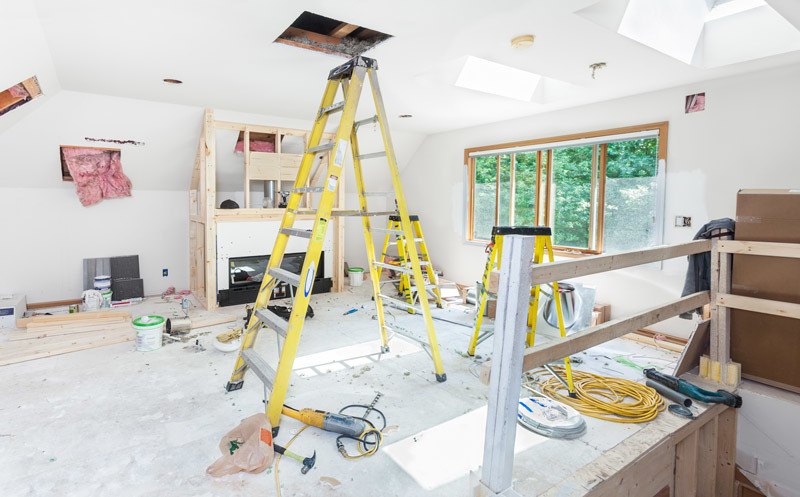
As householders look to improve their residences, they often encounter many different types of services suited to various requirements and preferences. These projects are generally grouped into various categories, each addressing specific aspects of residential enhancement. Renovating the kitchen involves updating appliances, storage units, and floor plans to enhance functionality and visual appeal. Bathroom remodeling typically involves updating the hardware, tiling, and organizational units for better convenience and visual flair.
Whole-home remodeling encompasses extensive modifications to the entire house, frequently involving changing the structure to make the most of the space and flow. External improvement work, in contrast, concentrate on enhancing the home's outward appearance, dealing with the cladding, roofing, and landscaping. Furthermore, specific options like basement finishing and loft remodeling help residents make the most of neglected parts of the home. All these service types delivers specific perks, letting residents pick services that align with their vision for their living environment. Grasping these differences is crucial to choosing wisely while undertaking the upgrade.
Creating an Attainable Financial Limit for Your Renovation Undertaking
How can homeowners guarantee their renovation work stays within budget? Creating a sensible budget is vital. It is advisable for homeowners to begin by evaluating their financial capacity, including savings and potential financing options. This initial step helps establish the funds available for the updating project without compromising other financial responsibilities.
Subsequently, property owners need to look into the financial requirements of their intended changes, taking into account materials, labor, and unexpected costs that frequently occur. Developing a comprehensive priority list will assist in distinguishing essentials from desirable features, making it possible to adjust if funds become limited.
It is prudent to set aside an emergency fund, generally 10-20% of the entire budget, to cover unexpected costs. Regularly reviewing and adjusting the budget throughout the remodeling process is also useful for preserving fiscal oversight. Finally, a thoroughly prepared budget does more than just confirm the project can be done but also improves the entire renovation process for homeowners.
Selecting the Appropriate Contractor for Your Requirements.
Choosing the appropriate professional can greatly impact the outcome of an updating effort. Homeowners should begin by performing extensive investigation, seeking recommendations from friends, family, or online reviews. It’s vital to verify credentials, such as licenses, insurance, and surety bonds, to verify their standing.
Once potential contractors are identified, homeowners should request detailed estimates and timelines, making it possible to compare options knowledgeably. Meeting with them offers a look at their manner of communicating and their professional conduct, which are essential for a collaborative process.
Furthermore, examining previous work via portfolios or referrals shows the builder's standard of work. Homeowners should also inquire about warranties or guarantees, reflecting the contractor's confidence in their work.
In the end, choosing a professional who matches the homeowner's goals, finances, and schedule fosters a more positive remodeling experience, ensuring the work fulfills requirements and changes the space as intended.
Planning and Designing Your Ideal Space.
As homeowners envision their ideal spaces, meticulous organization and deliberate design are crucial elements of an effective updating job. The first step involves evaluating current needs and future aspirations, which permits a comprehensive grasp of the room's intended function. It is important for homeowners to weigh functionality, aesthetics, and their individual taste, to guarantee the design showcases their unique preferences.
Next, establishing a thorough budget is crucial. This budget should accommodate materials, labor, and possible unexpected costs. Consulting with design experts can offer helpful perspectives, helping to optimize the space and respecting budgetary constraints.
Integrating components like ample daylight, open layouts, and eco-friendly supplies can elevate the living environment. Lastly, visualizing the project through drawings or computer models can assist in finalizing plans prior to construction. By thoughtfully tackling the design and planning stage, homeowners can build a comfortable, effective space customized for their needs.
Dealing with Permits and Building Codes in Residential Projects
Understanding the complexities of permits and regulations can be challenging for homeowners beginning a home Port Hope Home Remodeling Contractor improvement project. Every local government sets particular guidelines that govern what can be done during renovations, often influenced by zoning laws, construction standards, and safety standards. Homeowners must familiarize themselves with local regulations so they don't incur hefty fees or setbacks in the timeline.
In most cases, getting permits is mandatory for major changes, such as modifying load-bearing elements or new wiring installations. This process often involves submitting plans for review and might demand site visits at different phases.
Engaging a knowledgeable contractor can make this procedure easier, as they are often familiar with local codes and can assist with paperwork. It is important for homeowners to communicate regularly with local building departments to verify legality throughout the project. By comprehending and working within these rules, homeowners can meet their renovation objectives while guaranteeing that the work is safe and legal in their renovations.
Common Queries
How Much Time is Needed for a Typical Remodeling Job?

A typical home remodeling project usually takes between three to six months, contingent upon the extent of the project, scale of the house, and supply chain status. Complex projects may require additional time for completion.
What are some frequent blunders to avoid during remodeling?
Common mistakes when renovating a home are things like underestimating budgets, not securing the required permissions, not adhering to the project schedule, failing to communicate effectively with contractors, and failing to think about long-term functionality. Awareness of these pitfalls helps ensure a more efficient, more positive renovation outcome.
What's the best way to select the best supplies for the job?
Choosing the right materials means considering durability, visual appeal, and budget. Investigating available choices, getting expert advice, and thinking about upkeep will significantly help in making informed decisions, making sure the renovation matches your functional and aesthetic goals.
Will I be able to reside in my property throughout the construction phase?
It is possible to remain in their home during renovations, but it might cause disruption. Thorough preparation, effective coordination with the renovation team, and designating specific areas where you can live normally can lessen the stress while the work is underway.
What kind of coverage should be provided from remodeling contractors?
You should anticipate receiving warranties for the labor performed, the supplies used, and the integrity of the structure, often covering a period of one to ten years. You must carefully check the exact provisions in partnership with the renovation company to know the full extent of the guarantee and its restrictions.